Season 2, EP 5:
Jennifer Stitt on Photography Competitions, Getting Feedback, and Elevating Your Craft



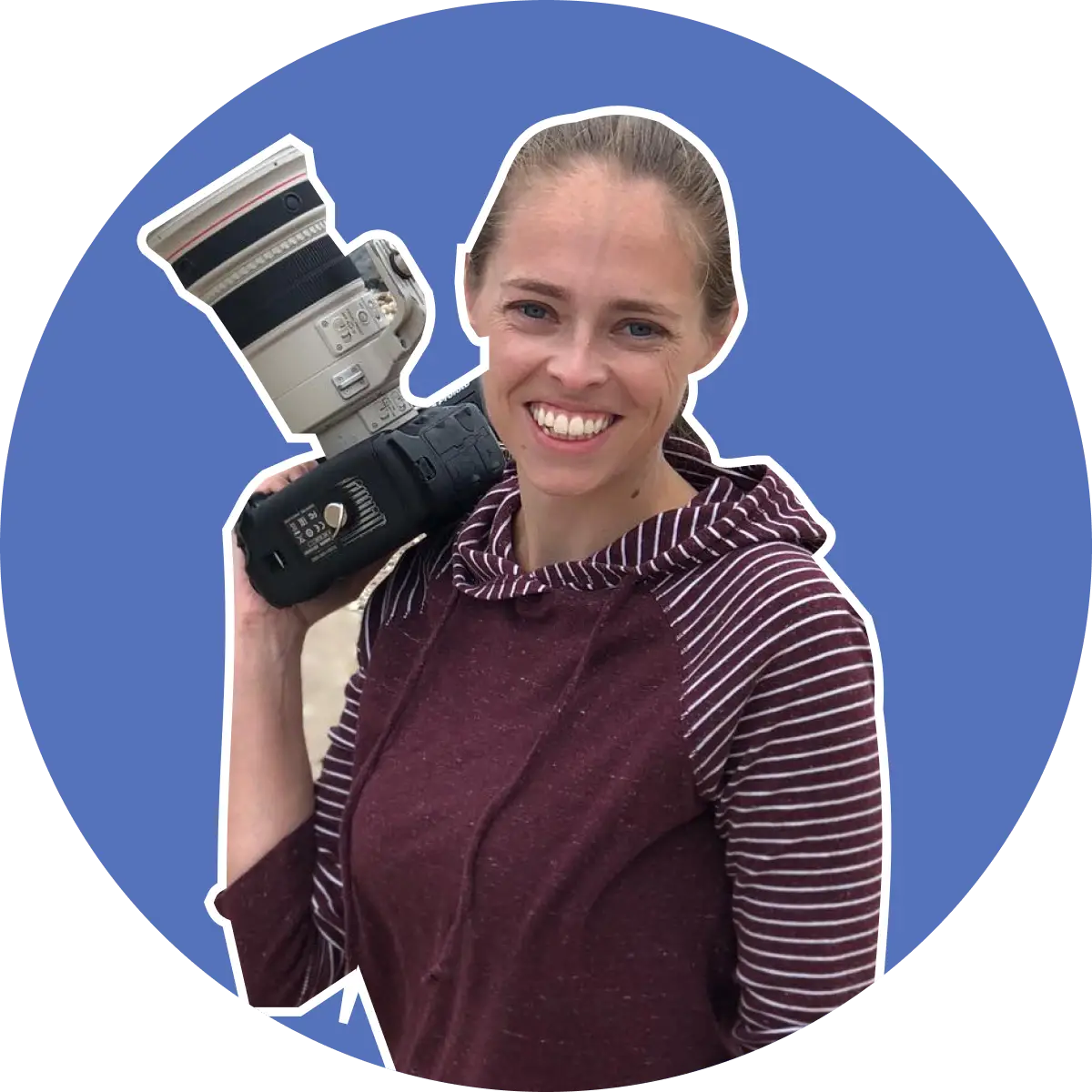
Jennifer Stitt



Show Notes
In this episode of After the Shoot, host Justin Benson chats with Jennifer Stitt, an award-winning photographer and competition expert, about how entering photography competitions can transform your work and elevate your skills.
Jennifer shares her inspiring journey—from starting in photojournalism to earning international accolades—and dives deep into why competitions are more than just awards. She offers practical advice on selecting images, interpreting feedback, and overcoming the fear of judgment.
Key highlights include:
- Why competitions push photographers to grow beyond their comfort zones
- Tips for choosing and perfecting images for competition submissions
- How constructive feedback can refine your craft and improve client work
- Jen’s behind-the-scenes stories of entering and winning major photography awards
If you’re curious about competitions, want to improve your photography skills, or need inspiration to take your work to the next level, this episode is packed with actionable insights and motivation!
Connect with Jennifer on Instagram: https://www.instagram.com/uncorkedjen/
Visit their Website: https://foxandbrazen.com/
Get on the After the Shoot email list: https://aftershoot.co/podcast
📸 📸 📸
This podcast is brought to you by Aftershoot, an AI culling and editing software that gives professional photographers their time, and their life, back so they can focus on what they do best.
Try Aftershoot today: https://aftershoot.co/tryus
Connect with us –
YouTube: https://www.youtube.com/@aftershoot
Instagram: https://www.instagram.com/aftershootco/
TikTok: https://www.tiktok.com/@aftershootco
X (formerly Twitter): https://twitter.com/aftershootco/
Threads: https://www.threads.net/@aftershootco
Facebook page: https://www.facebook.com/aftershootco/
Join the Aftershoot Community on Facebook: https://www.facebook.com/groups/aftershootusers/
Show Transcript
Justin: Welcome to After the Shoot, a podcast where we take a peek behind the lens to get inspired by the stories, challenges, and ideas of some of the most successful photographers in the business. I’m Justin Benson from After Shoot and AI cuing and editing software that helps give photographers like you your time back so you can focus on what you do best while our magical unicorns.
Take care of the most boring and time consuming parts of your job. I’ll be your host for this podcast, and I’m so excited to have you here as we talk with some of my favorite creators.
Jennifer Stitt: You gotta push forward and just do better than you did last time, and it’s really at the end of the day. It’s a competition against yourself, and if you look at it like that, it makes it really exciting and a lot easier to improve on your work.
Oh, no one likes the feedback on their images. No one wants to hear what’s bad about their work ever. But taking that work or taking those critiques and taking that information and putting it back into your normal day-to-day workflow also [00:01:00] improves you as a photographer.
Justin: Today’s episode is all about competition photography. Now, to me, competition photography was always something that I was curious about, but I never quite understood. And after hearing all the insights from the incredibly talented. Jens did. I was able to sit down and say, it’s time to step up my awards game and enter some competitions not to win, but instead to get those accolades that help elevate you as a photographer and help you grow and learn so much more.
So learn what it takes to get started in competition photography in today’s episode with Jens Stit. Enjoy the show.
How are you, Jen?
Jennifer Stitt: I’m good. How are you today?
Justin: Good. Thank you for joining me. I’m so excited to have this conversation. So I am one who has a fear of like, entering contests and stuff. Okay. So, um, I, and I know how important they are, so I’m really, really excited to dive into that. But before we get there, I wanna talk, [00:02:00] I wanna chat with you a little bit about you as the photographer.
So you’ve had a, an amazing journey. I’d love to hear like how you got started in photography and how you ended up where you are today.
Jennifer Stitt: Yeah, that’s um, almost a loaded question. It’s kind of crazy, but, um, I actually started my photography career when I was in high school. I interned at a newspaper and they put me with the photographer at the newspaper and he took me out and I lived in a little small town in Maine.
Uh, so we did a lot of human interest stories. And, um, he noticed that I had a talent behind the lens and really encouraged me to pursue that. So instead I went to school for making movies. Uh, I have a degree in filmmaking and, uh, when I graduated film school, I just still missed photography so much that my career path took me back, um, to human interest stories in more of the form of weddings and families and, um, people we love in our life.
Justin: Photojournalism. To film [00:03:00] back to photojournalism. That’s a, that’s a journey.
Jennifer Stitt: Yeah, it was definitely a journey because when I graduated film school, my option was to like move to New York City and live in an apartment with like 16 people or move to LA and live in an apartment with 16 people. And I said, man, I love storytelling.
That’s what I got out of film school is telling people’s stories and what is there an easier way, um, to live my life and live a life that I love. Um, and it, it brought me naturally back to photography and telling those stories behind my lens.
Justin: That’s amazing. So you were destined to be a photographer, is what?
It it, you, you tried to break away. I tried. And you still got sucked back in? I
Jennifer Stitt: tried. I tried so hard and I mean, every single time I think of a different way, my life could be, I, I can never imagine it without a camera in my hands. That’s awesome.
Justin: So your work is absolutely amazing. Um, so I love, I love checking out your, your photos and all of your, your new upcoming work.
Um, which leads us kind of into the topic for today, which is getting into the kind [00:04:00] of competition scene. I think I used the word contest before, but it’s really, it’s competition. It’s not contest, it’s. Entering with the intent of trying to get accolades for different things. Um, now I had mentioned early in our, in the intro that we had, uh, we had crossed paths once, well many times, but once in London, uh, at the societies.
Uh, awards.
Jennifer Stitt: Yes.
Justin: So you were, we, uh, after shoot was at the Society’s convention. Um, and then I just happened to be sitting down and I didn’t even know that you had entered anything at that point. I had no idea. And then all of a sudden, Jen Stick gets up and walks on stage to collect her award. So what was that award?
Jennifer Stitt: Yeah, so, um, there’s been a couple different contests that I’ve been a part of this year, but specifically at the societies, I actually did a panel of images to get my associate, um, which is presenting 20 images, uh, that. Don’t necessarily tell a story, but they have to work together. And a panel of judges sits there and looks at all of them and makes sure they all work [00:05:00] together.
And, um, there’s three different levels that you can get. The highest is fellowship and then associate and then ship. And, um, my panel made associate, which is incredibly, incredibly impressive and very hard to do. So I’m very proud of
Justin: that moment. You were one of two, I think. Yes. And that’s a yearly thing.
That’s not a, yeah. That. So you were one of two people that entire year who had managed to get to that point? Yes. So you
Jennifer Stitt: print those 20 images as 16 by 20 prints and they get hung up on a wall. And again, your peers, your judges, they look at them very closely within six inches of each image to make sure everything is perfect.
That’s awesome.
Justin: Now you. Enter various different competitions. Uh, correct me if I’m wrong, you do the imaging Yes. One as well. Um, which is the PPA. Yes. So professional Photographers of America, they have a program as well where you can get the accolades. Yes. Uh, what level are you?
Jennifer Stitt: So PPA has two different types of competitions.
Now they have the MIR, which is the merit image [00:06:00] review, and then they also have their huge, um, imaging excellence. Competition where there’s 16 different categories where the images compete head to head, and those are two completely different things. Um, so the MIR is more of a competition against yourself.
Um, you want your images to place very well and do well with the judges. A team of judges does look at all of those images and gives you merit based on those, uh, those will help you get degrees in PPA. Uh, the other option is the IPC. And that is where you submit images and they take the top 32 in each category.
Uh, there’s 16 different categories, and those go head to head all the way down to a grand image of the, all those 16 categories. Wow.
Justin: That’s, that’s intense. Which leads me to the big scary thing, which is how do you get the strength and muster up the courage to enter an image in one of these things?
Jennifer Stitt: Yeah, so I mean, the easiest thing to do is to start.
Um, just by entering, [00:07:00] and I know that sounds really silly, but the biggest hurdle you have to overcome is your own self to put your image out there and know that someone else is gonna look at it and judge it. I love the MIR because you’re only competing against yourself. Um, there’s nobody else. You’re not placing first, second, and third.
It’s is the image meet merit standard. Um, and it’s the best way to start putting yourself out there to see how your images do. Um, sitting and attending things like, um. At the societies in London, they have a 16 by 20 print competition icon awards. At WPPI also has a print competition. And to sit there and to listen to people who are, have been in the industry for years, talk about the power of print and how amazing it is, um, inspires you to get involved with these different things.
But the biggest hurdle is getting over yourself and, um, finding something that speaks. To other people as well.
Justin: That’s awesome. So before I, [00:08:00] I, we will get into like what it takes, but what I wanna kind of talk about is the why. So we we’re, we will get to the how, um, but why should people enter competitions or put themselves up for judging?
Jennifer Stitt: It’s a personal choice. Um, I love competition. Uh, it feels, I feel like it pushes me forward to be a better person to take these techniques and take things that I really care about, that my client doesn’t necessarily see the difference between a light at 45 degrees or a light at 30 degrees, or if I take an hour to like dodge and burn the shadows in something, whereas I can deliver my images straight outta afters, shoot, for example, to most of my clients.
They’re perfect the way they are. Some of these images require you to look at the highlights and the shadows and like little minuscule details that us as photographers care about on a daily basis. But some of our clients don’t have the eye to be trained to do that. Um, and I love all those little [00:09:00] details and taking that one photograph.
Making it perfect, um, to live on beyond, you know, what we are delivering on a daily basis to people.
Justin: Yeah, and there’s definitely, I mean, there’s something to be said for the accolades, right? So being able to call yourself any one of the levels in any one of the competitions, right? So whether you’re doing them ir or whatever it may be, when you achieve that.
That goal. There’s something to be said for it. It’s something to brag about and be happy for and may again, just like you said, your clients aren’t gonna be like, oh, that’s the photographer who does really good shadows. Right? But they are going to say, oh, my photographer is an award-winning photographer.
At a professional photographer’s Oh yeah. Convention. Like there’s benefit to it.
Jennifer Stitt: Oh, it’s crazy to be like, oh yeah, I’m an internationally award-winning photographer now, and I have the trophies to prove it. Yeah. I mean, it’s so cool and your clients think that is a cool thing. They don’t understand what you want or why you want it.
But they think it is also very, very cool. Um, and [00:10:00] I mean, just introducing a little bit of friendly competition into our industry. I mean, we compete with people every single day for clients. Mm-hmm. And to be able to compete on different levels, um, and have that joy of seeing somebody’s image do really well or really respecting a piece of art.
Justin: Yeah.
Jennifer Stitt: Um, is awesome. It’s such a powerful feeling to see someone else succeed and get rewarded for that.
Justin: Oh, absolutely. I, so for me personally, I just love sitting in on the judging and sitting in on the award shows. Again, haven’t entered anything ever. Uh, this is, you are gonna be, this podcast is why I, I’m going to enter in.
Um, but. You know, just seeing friends and, and everybody just succeeding. Right. And it, it’s such a nice positive feeling to be able to say like, oh, I was there for that moment. I recorded it, I sent it to my wife. I was like, oh my God, look Jen, she won. Or she, you know, she made it. And, and that to me is such a, a cool and powerful thing to be able to do.
Um, so kudos to you for doing it. Uh, and hopefully we can inspire [00:11:00] some more people to get involved with it. ’cause I do think it’s important.
Jennifer Stitt: Oh, it’s definitely important. I mean, we take and consume so many images on a daily basis to sit and look at just one image and fix it until it’s as perfect as that image is gonna get is a talent and a skill that we all should strive for.
Justin: Yeah. Oh, absolutely. So that brings me to my next thing. So now we, we know why. They’re, your clients are gonna respect you more as a photographer. They’re gonna say, oh, he is like that. That’s a big deal. The trophies prove it. Um, you know, your colleagues in the industry obviously are gonna be excited for you.
Yeah. You’re gonna make new friends and everything from it. I mean, I’m sure you’re traveling around the world for these events and, uh, you’ve got a family away from family, right? So you have all of these amazing friends and people who are cheering you along on the sidelines. How do you do it? So that’s like, that’s probably the worst question, the worst way to ask the question.
So we’ll take it step by step. So first things first, we’ve chose the competition that we want to [00:12:00] enter. So we’re saying, okay, we’re going to do this one competition. We’ll start with the MIR, right? That’s the, the, the basic, that’s the easiest one to get into. So I’m competing just to get merit points, essentially what.
Are they looking for? Like what is a judge looking for in this sort of thing?
Jennifer Stitt: So every competition is gonna be a little bit different on what they’re looking for. So the biggest thing, and the biggest thing we should do is we all forget how to read, but reading the rules of any competition we enter is gonna give you the key points on some of those things.
So a lot of times they’re looking for 10 elements or 12 elements, and they list out the things the judges will be judging your images on. What I have is a little sticky note on the bottom of my computer screen with each of the competitions and all the important points of what they want to see in the images.
Um, it could be as simple as com composition. It could be, uh, the feeling, the emotion, the storytelling. It could be how color harmony works. Um, there’s many different elements to different things in the images. [00:13:00] Um, PPA does a really great job of stating out all the different elements that they want to see in the MIR.
You can also, in most competitions, purchase a critique of your image. And I definitely encourage that for anyone who’s entering for the first time or even entering for the 10th time and doesn’t know why their images aren’t doing something. Yeah. Is you’re gonna have one of those judges that sat on your panel or sat judging another part of that panel.
Give you direct feedback on that image, on what it needs to do to get up to the next level or how to improve that. Um, to go from digital to print.
Justin: Yeah, no, that’s, that’s, that’s great. And like that’s the starting point. They’re obviously all gonna be a little bit different. There’s some things that we, as a photographer, and this is my thing that I know that I, my problem that I have, that I’m fixing, but like.
I would take an image that has intentionally lost all the shadows. But that’s not so fly in a lot of the competitions [00:14:00] ’cause they wanna see, they wanna see that you’ve mastered the, the ability. You can have contrast in image, but you can’t have completely lost shadows. They wanna see detail in shadows. So stylistically, you have to make sure that you’re also understanding when you go enter an image that you may get some feedback that you’re probably not gonna love.
Jennifer Stitt: Oh, no one likes the feedback on their images. No one wants to hear what’s bad about their work ever. But taking that work or taking those critiques and taking that information and putting it back into your normal day to day workflow also improves you as a photographer, knowing that, uh, when you pose a couple and they have the most beautiful sunset and horizon behind them, but the horizon lines going through the backs of their heads.
If you stood up a little taller and got them within the mountain, or you knelt down and got their heads in the, the sky. Next time you go photograph your wedding client or the maternity client, you’re gonna get her bump or the the veil in the most perfect area of the sky because the judge told you that the horizon going through the back of [00:15:00] anyone’s head doesn’t make a great image ever.
And you know that you were taught that.
Justin: Yep. But it’s gonna stick with you, but it’s
Jennifer Stitt: gonna stick with you because you missed the point in the competition or you missed this, but you’re now a better photographer. For your clients because, and that’s
Justin: huge, right? So improving. Improving who we are as photographers is really important because there is nobody, and I, I can say this, I think with full confidence, I don’t think there’s anybody who’s done learning.
I think that every single photographer, whether you’re a master or a beginner, there’s always a new technique, a new thing, a new something else you can do that could improve an image a little bit more. Because I think there’s only one instance that there was like a perfect score in any of the competitions, right?
It’s like it’s, you can’t get a perfect score ’cause there’s always something you can improve upon.
Jennifer Stitt: So the society is just introduced like a red ribbon. For their perfect 100 scores, and they gave one out this year, and it was the most beautiful image of a, a young woman knitting. And she was just, it was just a stunning, stunning image.
But a hundred is so [00:16:00] hard to achieve. It means that all five people or however many judges there are sitting on the panel have to completely agree. How many times have you been in a room with creatives where they can agree on anything? Like we can’t even, can’t even agree on where to go to dinner, let alone like if an image is good or bad or perfect.
That’s true. Uh, to watch a panel of judges just like googo eyes over an image is just so insane.
Justin: Yeah, no, definitely. So that’s, I mean, that’s case in point though. There’s not really an opportunity to be perfect. You can be very close, but there’ll be some little fine tuning things. And, and for me, uh, I, I started off, um, so Sean Lara has like a weekly thing in his Facebook group or or monthly thing where you can submit images and get them critiqued by guest judges and stuff, and.
I submitted the first image I submitted, I was like, Ugh, nah, this is gonna be great. They’re gonna love this. And then immediately they pointed out a couple things that at first I was like, come [00:17:00] on, really? But it made so much sense. Like I think one of them was just a hand position and I was like, it doesn’t matter.
And then I was like, wait, you know what? It actually does matter. ’cause if that hand was somewhere else. Like, I think it was stretched out holding a railing, and if it instead was on her arm, it would’ve made the image better. And, and now. I’m watching the hands every time I go somewhere, I’m like, okay, make sure that hand’s not dangling off to the side.
I’m very good at making sure they’re doing something like they’ll be in the pocket or somewhere, but I’m never going to let a hand be far away and break the connection that I could have had if the hand was closer. Mm-hmm. Definitely. And it’s, it’s helpful. It helps me grow as a photographer, uh, and that’s the goal is growing together.
Jennifer Stitt: Definitely.
Justin: So. I’m gonna enter a competition now. So that’s, that’s settled. Okay. So I’m gonna start editing.
Jennifer Stitt: Good. There’s a whole bunch coming up.
Justin: Yeah, there’s a ton. There’s a ton of opportunities to come. I’ve read the rules. What should I do as a [00:18:00] photographer when I’m looking for images that I wanna submit?
Jennifer Stitt: That is a loaded question, but the most, the best thing you can do is as you’re delivering images to clients, if you’ve ever been on a shoot and you’re like, oh. That spoke to me, that moment that I just photographed, it spoke to me. When you go home in your computer, you’re gonna wanna take that image and drag it into a folder.
So when you hear that there’s a competition coming up, the last thing you wanna do is a week before the deadline is to be going through every single image you’ve ever photographed to try to find the most perfect thing to enter, to have a folder of potential things. Just sitting on your desktop is one of the best things you can do.
And as a project, you should work on the entire year, entire year round, or even, uh, say in January when your client sessions are down and you’re looking for something to do, look through your images. Don’t wait until right before the deadline. But again, knowing what the judges are looking for, sitting in on judging if, if places offer live judging, go in, [00:19:00] sit, listen, absorb everything that they are saying because it’ll be the best way for you to learn and know exactly what that particular competition is looking for.
There’s a major difference between the portrait category. And the photojournalism category. Two different sets of rules, two different things you can Photoshop, two different things you can’t Photoshop to black, some black and white, and, um, impact on images and moments and everything like that. Um, it’s really important to, again, if something speaks to you, it means it has major impact.
Mm-hmm. And to keep those images into a folder to be able to enter and work on is really beneficial
Justin: Now. Obviously each category, each competition’s a little bit different. Um, am I, when I’m looking at these images that I’ve taken, and like you, you say, it speaks to me, is there a process that you would recommend to kind of weed it down?
Like, because I think that a lot of us get hung up on an image that we personally. Resonated with, maybe we were photographing it [00:20:00] and I was like, oh, that moment is so good. But technically speaking the photo, it’s kind of junk. So how do you kind of separate yourself from the personal connection and the actual creative connection?
Jennifer Stitt: Uh, hang the image upside down.
Justin: I’m glad I asked. So I hang the
Jennifer Stitt: image
Justin: upside down.
Jennifer Stitt: Um, I mean, the biggest thing is don’t take anything personally. You have to break that personal connection you have with any image you’ve ever created. Something that may be difficult for you, could be super easy for somebody else.
Something that’s super easy for you could be incredibly difficult. And that’s not typically something judges will take into consideration because they don’t know how hard you worked or didn’t work. Yep. To get an image. Um, the biggest thing is to take the image. I love turning images upside down because you’re now looking at shapes.
And you’re looking at light and dark and different parts of that image, not necessarily focusing in on, um, remembering that the client cried right before [00:21:00] this moment walking down the aisle. The judges don’t know anything besides what you’re presenting them in this particular image. So if a story can’t be inferred from what you’re delivering to them, if they can’t see the most perfect pose and the most perfect things from that actual image, you can’t tell them these things.
They weren’t there in the moment it was created. So you have to try to. Look at a, look at it as a standalone piece. A standalone moment, a standalone portrait.
Justin: That’s amazing advice. I’ve never heard that before. Um, but that’s really good ’cause I, I think that’s me. I, I already know what image I want to enter, but I know for a fact it’s gonna do poorly because of that.
So, and if I hang it upside down, it’s not gonna get any better. It was a moment that I was a part of that I’ll never forget, but. It doesn’t, it’s not gonna reflect that way because you don’t know the backstory. We don’t know that the subjects in the photo is gonna pass away from cancer in two months.
[00:22:00] Right. And everybody in the room knows it and everyone’s crying. You’re not gonna know that from me telling them. They have to look at the image and understand it, and you won’t understand it. It’ll just look like a moment.
Jennifer Stitt: Correct. But if you find yourself in that scenario again. The part of the story that you’d add to that image would be the oxygen tank, would be the hospital room, the hospital bed, the, the, the elements that help assist with that story where you don’t need to title it, saying This person’s gonna die, or you’re gonna title it, uh, or you can’t tell the judges these things.
You have to put it in the image where they’re gonna discover it on their own.
Justin: Yeah. Hmm. So do they, wouldn’t, would a judge take a title into consideration at all? Like, do they get to see a title, do you know?
Jennifer Stitt: It’s, uh, depends on the competition.
Justin: Okay.
Jennifer Stitt: Um, it really depends.
Justin: So in theory, like a photo like that, I mean, they’re, it’s a good photo, but I could put a [00:23:00] title, but like a basic title, like Last Dance with Mom or something.
You could
Jennifer Stitt: say Grandma’s Last Wish.
Justin: Yep. Okay. You
Jennifer Stitt: could, you could title it anything you wanted that would make the judges think a little bit more about the image, but you just have to be very cautious of that. Yeah. Because as they hear this title, they’re gonna look into the image and see if there’s elements that tell that story of that title.
Justin: Yes, yes. In the image. So it’s a double-edged sword. It’s a
Jennifer Stitt: double-edged sword. You could
Justin: absolutely make a bad title. You can definitely
Jennifer Stitt: have very, that ruin
Justin: your image. Very
Jennifer Stitt: poor titles. Many, I don’t wanna say images of lost points because of bad titles, because for some competitions, titles are not read at all.
Justin: Yep.
Jennifer Stitt: And for some competitions titles, their points don’t count towards anything. And sometimes they do.
Justin: Yeah.
Jennifer Stitt: Again, read those rules.
Justin: Exactly. And so it, you know, your title could absolutely set you up for failure if they’re reading the title and you’ve kind of ruined it. Yes. It’s important to have all of that in consideration, which is, to me, that’s.
That’s, [00:24:00] I think part of the fun of it is that these are limited competitions, right? So there’s only a handful of ’em. You’re, you’ve got like, uh, as far as the actual accredited competitions, we’re looking at just a handful of them and you only get so many opportunities. It’s usually once a year. Um, I know societies, I think you can enter monthly.
If you’re a member of the societies, you can enter monthly. But the, that accreditation is once a year.
Jennifer Stitt: Yes.
Justin: Same with a icon. Icon is a once a year award show and you only get to enter so many images. I mean, you can enter, if you’ve got an unlimited wallet, you can enter, uh, some of ’em. ’cause they do cost some of them, or most of them do cost money to submit.
Yes. Um, because there are judges that have to be paid in reviewing the images. Um, but your, the benefit of doing it is so high. So if you say, Hey, I’m gonna, it’s $20 to enter this image, I’m gonna just enter five of them. Take a small little sliver if you can improve your work tenfold. By just getting feedback on those 10 images.
It’s paid for itself 10 times over.
Jennifer Stitt: Yeah. So I love the societies because part of your [00:25:00] membership, you can enter their digital monthly competition as part of your membership. Mm-hmm. Uh, PPA as part of your membership, you can enter, they do have the MIR every month except for. Uh, I think it’s Decem. You’d have to check.
I’m not sure. Yeah, there’s a couple months that they don’t do it and, but it is, there is a fee to enter, um, the Mir mm-hmm. For judges and everything like that. You can also pay for the critique through that. Uh, your print, you’re printed like 16 by 20 competitions. There are fees and everything for those as well.
And those are typically just once a year because they are such a big production. Mm-hmm. The great thing is there’s a lot of different affiliates for PPA that do local competitions. So if you live, um, outside of Chicago or anything like that, your local PPA, um group there runs a competition and you can enter things like that.
So you can take these images and enter them in multiple places if you believe in the image. Strong enough?
Justin: Yeah, absolutely. Now I’m gonna say something, we’re not gonna let it bite me in the back at all, [00:26:00] but essentially. I know the difference, but tell me why that, tell me why I should be entering a competition and not just posting in a Facebook group and getting feedback.
Jennifer Stitt: I mean, you have to do what your heart tells you to do. I feel like people who sit on a judging panel for a competition, jurors and everything like that, have gone through years and years of training on a very positive way to give feedback to images and to improve you as a craftsperson, uh, posting in a Facebook group.
You can get some great feedback from people. But it’s also like a backseat driver. They can only see so much out of the front window of driving that car. Um, so they’re only gonna get you so far. Um, and everybody has an opinion.
Justin: Yeah, that’s, that’s kind of where I was, I guess I was heading with it. Uh, you know, I [00:27:00] think that.
The thing that gives me less fear about doing that versus face Facebook people are mean. There’s, there’s gonna be some people who are just commenting because they wanna put you down. Uh, they wanna try and give you like, feedback just to make you feel like you’re not as good as them. Uh, but when it comes to these competitions, that feedback is their, the intent behind the feedback is to make you come back next year with a better image.
They want you to succeed.
Jennifer Stitt: They want you to succeed. And it’s not even just a better image. They want you to be a better photographer. And part of us as photographers, we’re delivering better images to clients. Um, if we could eliminate cell phones and cell phone snaps from everybody’s, like photography wishlist, we would and just hire a professional photographer for all events and give people better images and better moments and better things.
Justin: Yeah, absolutely. So it is, it is worthwhile. Uh, they’re not super costly, so it is, it’s a small fee [00:28:00] to enter many of them. Uh, even if you enter one image a year and you set that, that long-term goal, I mean, it doesn’t have to be immediate. These competitions don’t go anywhere. Um, right. Like the PPA one, uh, there’s one guy every year at imaging.
That walks around. He’s got every badge, you know the guy I’m talking about? Yep. Got every pin and badge for all the accolades and everything. Yeah. And it’s super impressive. And he should, I would be proud as heck if I had all of those. Um, so it’s really cool to be able to see something like that, that he’s been at it for a long time and continues to succeed and do it.
Um, and then it gives me hope that maybe. I will start entering eventually and can get to that point to No,
Jennifer Stitt: you’re gonna enter, you’re gonna enter tomorrow.
Justin: Yeah. No, I know. I You gonna enter tomorrow? I know. I’m gonna enter now. So actually, so for me, I started entering, um, it’s not critiqued, but there’s a, a group called Flash Masters.
Yep. Over in, in, uh, in England. But there, it’s a global association and they, they do just a monthly contest essentially. [00:29:00] No prize, no nothing. You just get a little badge that says like, Hey, you did good. Um, there’s no critiques on it. So I’m not necessarily getting anything out of doing it, but I entered some images.
They have to be flash images, so I entered some flash images and it. Honestly, it made me feel good. So I, I like the first time I entered, I got one, and then the next time I think I got two. And then the next time I got one and then I got none, and I was like, uh, man, I stink. But for the first three months I was like, oh my goodness, this is like I’m improving, or I, I am a good photographer that can improve because I submitted 10 images and only one got selected.
But it gave me that glimmer of hope and made me go back to those other nine and say, okay, why did those other nine fail? What was not good, what was different about them? And even just in that sense, I feel like I, I started to look at my lighting a little bit closer and like, how can I tweak this so I can do better next time?
Jennifer Stitt: It, it’s sometimes like doing a puzzle without like the box cover where you’re giving like all these pieces and you’re trying to [00:30:00] assemble all these pieces together. And sometimes like you just search and you search and you search for that one piece and you finally find it and you get it in place and it’s the best feeling in the entire world.
Justin: Yeah.
Jennifer Stitt: Um. It’s in invigorating to do really well in competition.
Justin: Well, it’s inspiring to be sitting here talking to you, uh, to, to see all of the accolades that you’ve accomplished and when did you start entering into these things?
Jennifer Stitt: Oh gosh. Um, I think the first year I entered, uh, was in 2013. And, uh, I believe my image did, gosh, I entered into the WPPI competition.
I think I scored like a 73. That is. Which is not wonderful.
Justin: That’s not wonderful. But that’s almost a 79. Yeah. Which I think 79 is the threshold, right?
Jennifer Stitt: 79 is like almost like kissing your cousin. Like it’s just like really close but not quite there. Yeah. Like um, and I was really sad ’cause I thought it was such a great image and I [00:31:00] didn’t understand at the time why it didn’t do better.
And then watching the journey from realizing where that image could improve you just. You enter the first time and you don’t do well, it’s scary. You’re like, I’m not good, but you are good because just taking the step to enter makes you amazing because half the people who listen to this won’t enter ever.
Justin: Yep.
Jennifer Stitt: So you’re gonna be better than half the people
Justin: who don’t answer. Who don’t
Jennifer Stitt: enter.
Justin: Yeah.
Jennifer Stitt: Um. So I, I, I started competition, I guess, I think it was 2013, maybe 2012. And then I’ve just been entering a little bit more every year. And I got my first award, um, my first 80 and above image, and it hung at WPPI, I think it was in 2015.
And, uh, it’s amazing to see your work hung among all these other beautiful images and you’re like, I am good. I can do this. This is awesome. Um, and I took home my first trophy from the, the societies in, uh. 23. 2023 [00:32:00] and, uh, won the Diamond award at PPA, this, at imaging this year, and couple, couple things that click and it just, it’s just fun.
Yeah. It’s just so much fun. It’s not
Justin: instant gratification. No, that’s for sure. No, it,
Jennifer Stitt: no. I mean, it can be, I’ve seen images where people enter and they do really, really well. Um, but it’s not the norm.
Justin: Yeah, it’s not. Yeah. You have to, you have to know going into it your first round, you may not find the success you were looking for, but that’s not a sign to give up.
That’s a sign to tweak and go back.
Jennifer Stitt: You gotta push forward and just do better than you did last time, and it’s. Really, at the end of the day, it’s a competition against yourself, and if you look at it like that, it makes it really exciting and a lot easier to improve on your work.
Justin: Yeah, you can. You can only improve to your last year score.
It doesn’t matter where you stand amongst anybody else, no matter what the competition. Honestly, if you’re getting a, a numbered score, it doesn’t matter where you stand amongst your peers. It matters really how much you’ve [00:33:00] improved or how much you’ve grown since the last time you entered correct. Very proud.
That’s awesome. I, this was such an invigorating, like really, I’m gonna probably after this ask you all the, all the places to go enter because it, it’s such a, such a cool thing to, to have, and I know, uh, we’re here at the BOUQUET Conference. Down in Georgia with Andre. And Andre has done exceptionally well in these, uh, in the competitions as well.
And I know that for him, he was one, actually, one that like his first time entering it was like, who’s this guy and why is he so good? Um, but I know like after talking to him about the process and how he went through it a little bit, um, it was just so, so inspiring. But now sitting here with you, I feel like I can enter.
Right. And it’s such a, yeah. How many times a year do you enter competitions?
Jennifer Stitt: Um, so I mean, the major ones that happen once a year, I enter them every year. And then, um, for me, I am entering the MIR monthly. I am [00:34:00] entering the societies monthly because it forces me to look at my images and look at myself as a photographer and find something better than what I did last month.
Justin: Yeah. That’s awesome. Yeah. And do you, do you generally, now are you shooting for the intent of entering like, so Sorry, that’s where I got sidetracked. Uh, so Dima, you might cut some of this up, but um, so I got a little sidetracked there. So when I was talking about Andre, so you know Andre, he’s we’re here at Okay.
And, and Andre is an amazing photographer. He entered in and like did really well when he started. But I know that now, he actually last two or three years ago, he was, we were talking about one of the images he entered and he said, I went in to this session knowing that I was going to do this one photo to enter in this competition.
Nine months later. So he had pre-planned this after he got his score back and everything from the previous year, he walked in and said, I’m shooting for that maternity [00:35:00] category. I wanna win maternity. Uh, and I think he might have done well. I don’t think he won, but I think he, he got like second place or something.
He did really good. Do you shoot for those categories and things like, do you intentionally say, okay, I’m going to photograph this so I can try and place in this category or.
Jennifer Stitt: So I have favorite categories that I love to enter, but if a client is paying me, it’s always client first, competition. Second, I can take everything I learned from a competition and put it forward to make my client images better and better enough for competition.
Um, but always client first from getting paid.
Justin: Nice. And if you’re not, do you ever take sessions just to enter. Are you like, okay, I want to, I, I love pets. I’m going to find the dog I wanna photograph and I’m gonna set up the scene. I wanna light it and do everything. Do you ever like go out of your way to try and make an image that you think will perform well or,
Jennifer Stitt: I haven’t taken those steps yet.
I have a true passion. I think it’s [00:36:00] from when I started photography in photojournalism and it’s my, probably my favorite category. And that isn’t something that you can fake or create or have a plan like true photojournalism. There’s no. Set plan in place for a moment or something important to happen. Um, we can just do the best we can to be in the right place at the right time and know how humans react in certain scenarios to get those things.
Um, but there are a ton of categories that, yeah, you can lay out a plan and have a plan in place to like do dog photography or a beautiful maternity photography. And there are categories there where you can plan everything out, where it is competition first.
Justin: Yeah.
Jennifer Stitt: And no client.
Justin: And that’s exciting.
Jennifer Stitt: And that’s exciting.
Justin: That’s, that’s, that’s gotta be a thrill to, to be able to take the creativity. So societies I saw firsthand, there was some of the categories in there were so. Good. The work, the images, and you, it wasn’t just like, oh, I did this session. It was pre-planned everything to the tee. And they won huge awards, obviously, because they went above and beyond.[00:37:00]
Yeah. It was worth it.
Jennifer Stitt: So. So a lot of competitions will have non-commissioned categories. Mm-hmm. So Icon, for example, has bride and groom with models. So you can hire models to be a bride and groom and enter into that specific category and just have the most beautiful images on the top of a building or in the ocean, or wherever your imagination and your heart takes you.
Yeah. Um, you can make an image with beautiful people and submit that for competition.
Justin: And what’s cool about that too is that it is segmented so you’re not. You’re not gonna be up against somebody who had their couple flown in, be a helicopter and landed on top of Mount Everest and like, you know, like their, your, your actual wedding photo from a real life couple that you’ve entered is going into the category that is real life weddings.
Jennifer Stitt: Yes. So a lot of competitions will have real day weddings. Where it was, has to be, uh, a couple that has signed a contract with you and they paid to have their wedding on a specific date, a specific time, a specific everything. And, uh, that is one category. And then there can be a separate category, which is bride and groom models, [00:38:00] which is a setup shoot on your own leisure, non-commissioned, non-paid for, well, maybe you paid for the models or maybe you just know hot people.
I don’t know. But uh, yeah, it’s, it’s great. You’re competing against like, like images. As far as categories go,
Justin: that’s amazing. So. I think that brings me to the conclusion because I honestly took in so much information. I’m so appreciative of you sitting down with us, guiding us through some of this, uh, craziness that we call competition.
Um, you know, there’s. So many opportunities out there for photographers to grow, right? It, it can come in any way, shape or form, but this is one that’s somewhat sanctioned. So it’s, it’s a safer place to submit work and feel comfortable that the things you’re going to hear back aren’t irrelevant or out of jealousy.
It’s gonna be confident, you know, you’re gonna have confidence that it is some professional who knows what they’re talking about. So thank you for doing this. Congratulations [00:39:00] on the award so far. Oh, thank you. I’m so excited to be, I’m, I’m pretty much at every award show that you’ve entered into, so I’m so excited to see all of the next ones come, and I’ll be there to whip out my cell phone and record each
Jennifer Stitt: one.
No pressure. No pressure at all. No pressure. No at all. Thank you so much for having. Thank
Justin: you, Jen. Thanks for tuning into after the shoot. Got any burning questions for today’s guest or just wanna keep the conversation going? Drop us a comment if you’re on YouTube or join the after shoot community to share your thoughts.
You can find the link in the description. Make sure you subscribe to get notified as soon as we drop the next episode and trust me. You don’t wanna miss it. And if you like this episode, I’d love it if you gave us a rating or a view on Apple Podcasts, Spotify, or wherever you’re watching this podcast. See you next time.
Latest Episodes: